
Structural Movement Investigations Essex
At MARMIK Consultancy, we provide professional Structural Movement Investigations throughout Essex, helping homeowners, landlords, commercial property owners and insurers understand the cause of structural movement before any repair work begins.
Structural movement can be one of the most concerning issues affecting any property. Cracks appearing in walls, sloping floors, sticking doors and windows or signs of movement within a building often leave property owners questioning whether the problem is cosmetic or indicative of something more serious.
Our investigations identify the underlying cause of movement, assess the severity of the problem and provide practical, evidence-based recommendations for the most appropriate course of action.
As an independent property consultancy, our advice is always impartial and focused on achieving the best long-term outcome for your property.
What Is a Structural Movement Investigation?
A structural movement investigation is a detailed assessment carried out to determine why a building has moved and whether that movement is ongoing.
Rather than simply recording visible cracks, we investigate the potential causes of movement, assess structural performance and recommend any further monitoring or remedial works where necessary.
Our investigations commonly involve:
- Visual structural inspections
- Crack pattern analysis
- Assessment of movement severity
- Review of previous repairs
- External building inspections
- Drainage observations
- Environmental factors
- Tree influence assessments
- Foundation considerations
- Recommendations for further investigation where required
Every property is different, which is why each investigation is tailored to the individual circumstances of the building.
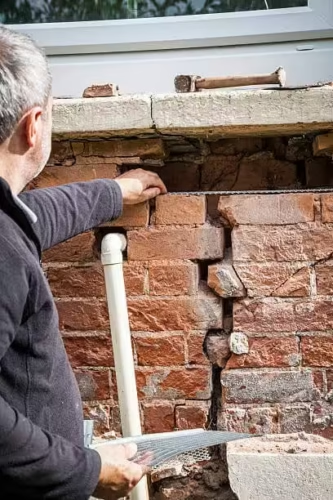
Common Signs of Structural Movement
Many properties naturally experience minor movement over time. However, certain warning signs should be professionally assessed.
These include:
Cracks in Walls
- Diagonal cracking
- Stepped brickwork cracks
- Horizontal cracks
- Vertical cracking
- Internal plaster cracking
- External masonry cracking
Doors & Windows
- Doors becoming difficult to open
- Windows sticking
- Frames becoming distorted
- Gaps appearing around openings
External Indicators
- Leaning walls
- Brick displacement
- Movement around extensions
- Distorted roof lines
- Visible settlement
Floors & Ceilings
- Uneven floors
- Sagging ceilings
- Floor movement
- Separated skirting boards
What Causes Structural Movement?
There are many possible causes of structural movement, and accurate diagnosis is essential before repairs are undertaken.
Common causes include:
Ground Settlement
Natural consolidation of soil beneath foundations.
Subsidence
Ground movement caused by changes in soil conditions beneath the building.
Clay Shrinkage
Clay soils expand and contract depending upon moisture content.
Tree Influence
Tree roots can influence moisture levels within clay soils, contributing to seasonal movement.
Water Damage
Escaping drains or leaking water services may soften supporting ground beneath foundations.
Structural Alterations
Poorly executed alterations or removal of load-bearing elements can affect structural stability.
Thermal Movement
Temperature changes naturally cause some building materials to expand and contract.
Our Investigation Process
Every structural movement investigation follows a systematic process.
Initial Property Inspection
We undertake a detailed inspection of the building, identifying visible signs of movement and recording any defects.
Structural Assessment
Movement patterns are analysed alongside the property’s age, construction type and environmental conditions.
Cause Identification
Rather than simply describing cracks, we investigate the likely causes of movement.
Technical Reporting
Clients receive a detailed report outlining:
- Findings
- Probable cause
- Severity
- Recommendations
- Further investigations if required
- Repair guidance
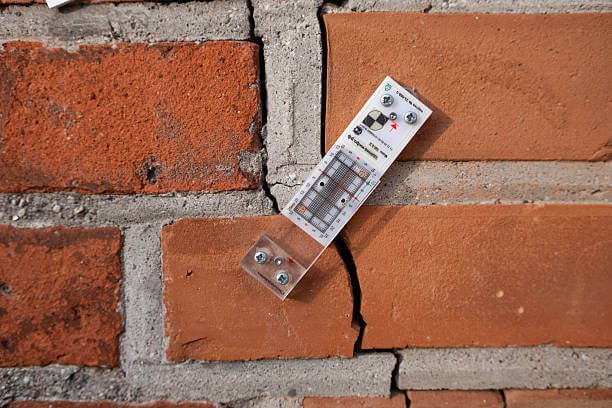
Structural Crack Investigations
Cracking is one of the most common reasons clients instruct us.
However, not every crack indicates structural failure.
Our investigations assess:
- Crack width
- Crack pattern
- Crack direction
- Location
- Progression
- Associated movement
This allows us to distinguish between cosmetic cracking and defects requiring further structural attention.
Insurance Claim Support
Structural movement is frequently associated with insurance claims.
We regularly assist clients by providing:
- Independent structural reports
- Cause of damage assessments
- Technical evidence
- Building defect investigations
- Repair specifications
- Professional opinions
Our reports help property owners better understand the condition of their building and provide valuable supporting information during insurance claims.
Where reinstatement works are required, clients can also view our Property Repair & Reinstatement Services Essex page.

Residential Structural Movement Investigations
We regularly investigate movement affecting:
- Houses
- Bungalows
- Flats
- Listed buildings
- Period properties
- New build homes
- Extensions
Whether movement is historic or ongoing, our reports provide practical guidance to help property owners make informed decisions.
Commercial Structural Movement Investigations
Commercial investigations include:
- Offices
- Retail premises
- Industrial buildings
- Schools
- Healthcare facilities
- Mixed-use developments
- Investment properties
Understanding the cause of movement is essential before planning repairs or refurbishment.
Why Choose MARMIK Consultancy?
Understanding the cause of movement is essential before planning repairs or refurbishment.
Our investigations are:
- Evidence-based
- Independent
- Detailed
- Professional
- Practical
- Focused on long-term solutions
We also provide a complete property consultancy service including:
- Building Defect Assessments Essex
- Structural Surveys Essex
- Property Surveyors Essex
- Building Surveys Essex
- Insurance Claims Support Essex
- Drone Property Surveys Essex
- Measured Building Surveys Essex
- Topographical Surveys Essex
Areas We Cover
We provide Structural Movement Investigations throughout Essex including:
Chelmsford, Brentwood, Epping, Billericay, Basildon, Benfleet, Rayleigh, Rochford, Southend-on-Sea, Leigh-on-Sea, Colchester, Maldon, Witham, Braintree, Halstead, Harlow, Loughton, Chigwell, Wickford, Canvey Island, Grays, Thurrock, Upminster, Romford, Saffron Walden, Great Dunmow, Frinton-on-Sea, Walton-on-the-Naze, Harwich, Burnham-on-Crouch, Ingatestone, Shenfield, Hornchurch, and surrounding areas across Essex, Hertfordshire, London and the South East.
Frequently Asked Questions
Does every crack mean structural movement?
No. Many cracks are caused by normal building movement or plaster shrinkage. A professional investigation determines whether structural concerns exist.
Can you investigate subsidence?
Yes. We assess signs of subsidence, settlement and other forms of structural movement and recommend any further investigations where appropriate.
Do you carry out repairs?
No. We provide independent investigations and professional advice. Where repairs are required, clients can be directed to our Property Repair & Reinstatement Services Essex page.
Can your reports support insurance claims?
Yes. Our reports are frequently used to provide technical evidence during insurance claims involving structural damage.
Can movement be monitored?
Where appropriate, ongoing monitoring may be recommended to assess whether movement is active or historic.
Speak to MARMIK Consultancy
If you have concerns about cracking, subsidence or structural movement, MARMIK Consultancy provides professional Structural Movement Investigations throughout Essex, helping property owners understand the cause of defects before unnecessary repairs are undertaken.
Our independent investigations provide clear technical advice, practical recommendations and expert support for homeowners, commercial clients and insurers alike.